Remember that time you split a pizza with friends and ended up with uneven slices? Or when you tried dividing a dinner bill and someone got shortchanged? Division pops up everywhere in daily life. You use it to share costs, measure ingredients, or budget money. Yet, one small slip in a math problem can throw everything off.
Many folks struggle because school taught rigid rules without flexible fixes. Common slips like misalignment or forgotten zeros lead to frustration. But you can solve division problems without mistakes with clear steps and smart checks. This guide covers long division basics, easier alternatives like partial quotients, top errors to dodge, and pro verification tips. You’ll also find practice ideas tied to 2026 trends. Stick around, and you’ll handle any division task with ease.
Master the Classic Long Division Steps for Perfect Results
Long division works best for divisors under 12. It breaks big problems into simple repeats. First, know your multiplication facts cold because they power every step.
Start with divide. Look at the divisor and first digits of the dividend. Ask how many times the divisor fits. For 624 ÷ 8, 8 goes into 6 zero times, so peek at 62. Eight fits 7 times because 8 × 7 = 56.
Next, multiply. Write 7 above the 2 in 62. Multiply 8 × 7 = 56 below.
Then, subtract. Take 62 minus 56 to get 6.
Finally, bring down the next digit, 4, to make 64. Repeat: 8 into 64 goes 8 times.
You end with 78. Clean setup prevents slips. Align numbers tight and write neatly.

For a full breakdown, check this step-by-step guide for long division. Practice small problems first. Then build up.
How to Spot When to Add More Digits in the First Step
Divisors often won’t fit the first digit. Take 48 ÷ 7. Seven beats 4, so grab the next digit to make 48. Seven goes in 6 times since 7 × 6 = 42.
Write 6 above the 8. Skip no spaces. This keeps alignment sharp. Off-by-one errors happen here most. Always scan enough digits until the divisor fits at least once.
In 624 ÷ 8, you added to 62 because 8 skipped 6 alone. Practice spotting this boosts speed.
Double-Check Subtraction and Bring-Down to Stay on Track
After multiply, subtract carefully. In 62 minus 56, you get 6. No borrowing needed here, unlike subtraction alone. But double-check the product first.
Bring down precisely. Curve the line under the full number. For 64 next, 8 × 8 = 64, subtract to zero. Done.
Sloppy lines cause misalignment later. Pause after each subtract. Say the remainder aloud. This tracks progress.
Switch to Easier Methods When Standard Division Feels Tough
Standard long division shines for small divisors. Larger ones invite guesses and errors. Switch to partial quotients or area models instead. These chunk the work visually. They suit visual thinkers or bigger numbers over 12.
Partial quotients subtract friendly multiples. No rigid alignment required. Area models use boxes to split dividends. Place value tricks help too, like treating 6400 ÷ 8 as 64 hundreds divided by 8.
Pick what clicks for you. Flexibility cuts mistakes because you control the chunks.

Use Partial Quotients to Take Big Bites Without Guessing
List easy multiples of the divisor first. For 496 ÷ 4, multiples are 4, 8, 12, up to 24 or so.
Subtract the biggest comfy chunk. Take 12 × 4 = 48 from 49 (first two digits), leaves 1, bring down 6 to 16. Then 4 × 4 = 16.
Add partials: 12 + 4 = 16. No house symbol needed. Just stack subtracts.
This method skips scary guesses. See a detailed partial quotients example for more.
Visualize with Area Model for Multi-Digit Divisors
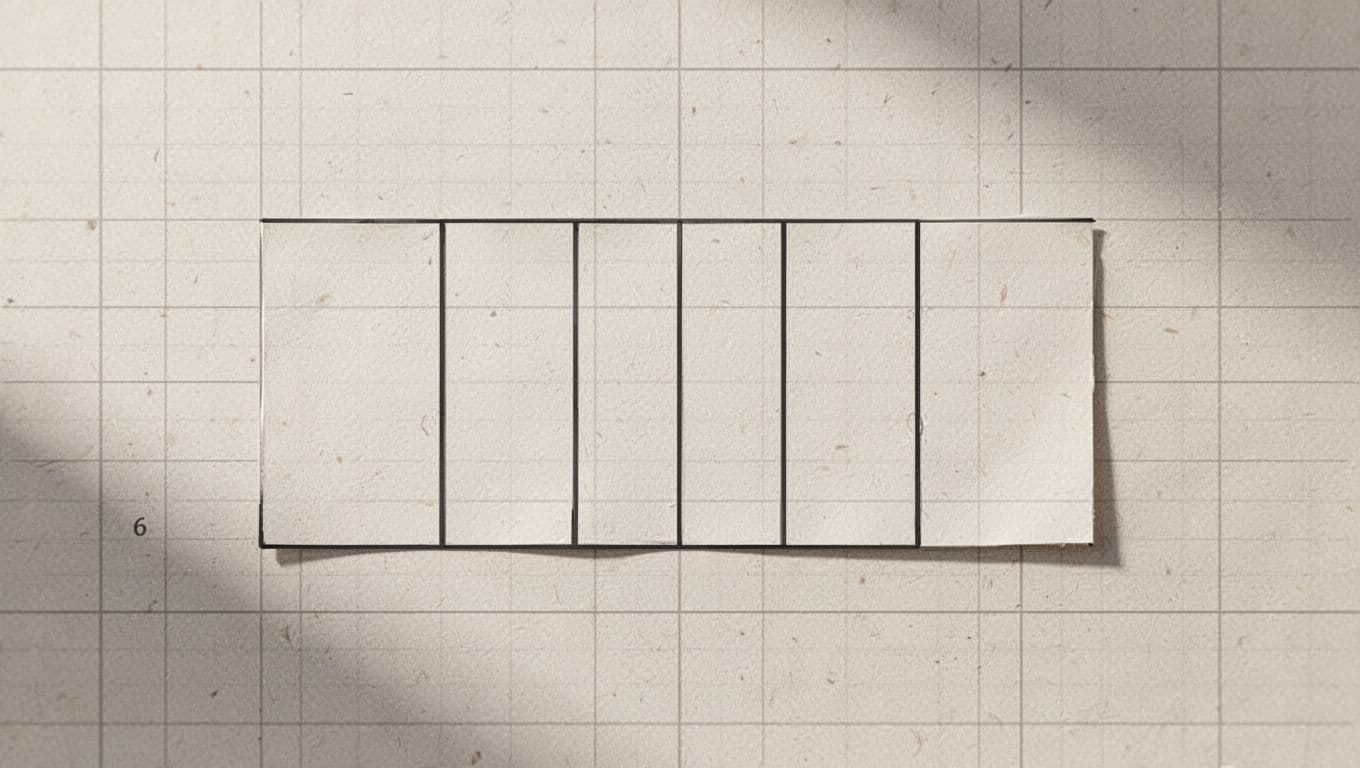
Draw a rectangle for the dividend. For 48 ÷ 6, make a 48-unit box. Split into rows of 6.
One row 30 (5 × 6), another 18 (3 × 6). Total quotient 8.
Graph paper helps. Adjust splits to fit. This shows why division works.
Try an interactive area model tool online.
Dodge These Sneaky Division Mistakes That Trip Everyone Up
Everyone slips on division. Computational errors top the list, like wrong multiples. Misaligned quotients shift everything. Forgetting zeros pads wrong. Ignoring remainders hides incompletes.
Spot them early with routines. Tie fixes to steps you know.
| Common Mistake | Quick Fix Example |
|---|---|
| Bad multiply (8 × 7 = 65?) | List multiples: 8, 16, 24, 32, 40, 48, 56, 64. |
| Misalign quotient | Write above exact digit matched. |
| Skip zero | 64 ÷ 8: first 0, then 8. |
| Drop remainder | Note as fraction: 65 ÷ 8 = 8 1/8. |
This table catches most issues fast.
Fix Multiplication Mix-Ups Before They Ruin Your Answer
Weak facts snowball. Before starting, jot multiples up to 9 or 10 times the divisor.
For 7: 7, 14, 21, 28, 35, 42, 49, 56, 63.
Reference quick. Speeds work and proofs right. Practice facts daily.
Handle Zero Places and Remainders Right Every Time
Divisor skips first digits? Write 0 in quotient. Like 48 ÷ 7 starts 6, but if smaller, 0 first.
End with remainder? Check: quotient times divisor plus remainder equals dividend. 65 ÷ 8: 8 × 8 = 64 + 1 = 65. Perfect.
See common math mistakes and fixes for more.
Verify Answers and Practice Like a Pro to Lock It In
Checks build habits. Multiply quotient by divisor, add remainder. Matches dividend? Good.
Say steps aloud. Spots fuzzy spots. Analyze past errors: what caused it?
Practice mixes methods. Start simple, add digits. 2026 trends favor AI tutors and games. Hands-on manipulatives pair with apps for fun.
Free tools abound. SplashLearn drags groups visually. MrNussbaum hints on long division.
Generate custom sheets at this division worksheet maker.

Quick Checks That Catch 99% of Errors Instantly
Inverse multiply first, always. Narrate aloud next. List multiples upfront.
Real life seals it. Check recipe shares or bill splits same way.
Master one method today. Errors fade with reps.
You now hold tools to solve division problems without mistakes. Long division nails basics. Alternatives like partial quotients ease big numbers. Dodge slips with checks and lists. Verify every time.
Practice turns doubt into skill. Grab a problem now. Try long division on 624 ÷ 8, then verify. Grades rise, bills split fair, confidence grows.
Share your win story below. Which method clicked? Subscribe for fresh math tips.