
Ever notice how a pizza slice forms a perfect triangle? Or how city skyscrapers create sharp angles against the sky? Geometry hides in plain sight. You see it daily, but grasping the basics can feel tricky at first.
This guide simplifies basic geometry shapes and concepts for beginners. You’ll learn points, lines, angles, triangles, quadrilaterals, polygons, circles, plus perimeter and area. We use everyday examples, hands-on tips, and even 2026 trends like AR apps. By the end, you’ll spot and calculate shapes anywhere with confidence.
Let’s build from the ground up.
Start with the Basics: Points, Lines, Rays, and Planes
Geometry starts small. Think of these as building blocks. They have no size or thickness. Kids often learn them first by touch.

Points and Lines: The Zero and One-Dimensional Stars
A point marks an exact spot. Picture a dot on a map. It has no width, length, or depth. We name it with a capital letter, like point A.
A line stretches forever in both directions. No thickness. A straight highway shows this. It contains infinite points.
A line segment connects two points. It ends there. Think of a pencil mark between dots.
A ray begins at one point and extends one way forever. Sunlight beams act like rays. They start at the sun but never stop.
These zero and one-dimensional ideas form everything else. For a solid intro, see SkillsYouNeed’s guide on points, lines, and planes. Hands-on tip: Dot paper for points. Stretch string for lines. Kids grasp this before rulers.
Planes: Your Flat Foundation for Shapes
A plane forms a flat surface that extends endlessly. No edges or curves. Your table top or a calm pond surface works as one.
Planes hold points and lines. Three non-straight points define a plane. Trace your hand on paper to feel it.
In short, planes give shapes a stage. Next, angles add direction.
Crack the Code on Angles and Their Types
Angles form when two rays share an endpoint, the vertex. We measure them in degrees. Notation looks like ∠ABC.
Spotting Acute, Right, Obtuse, and Straight Angles Everywhere
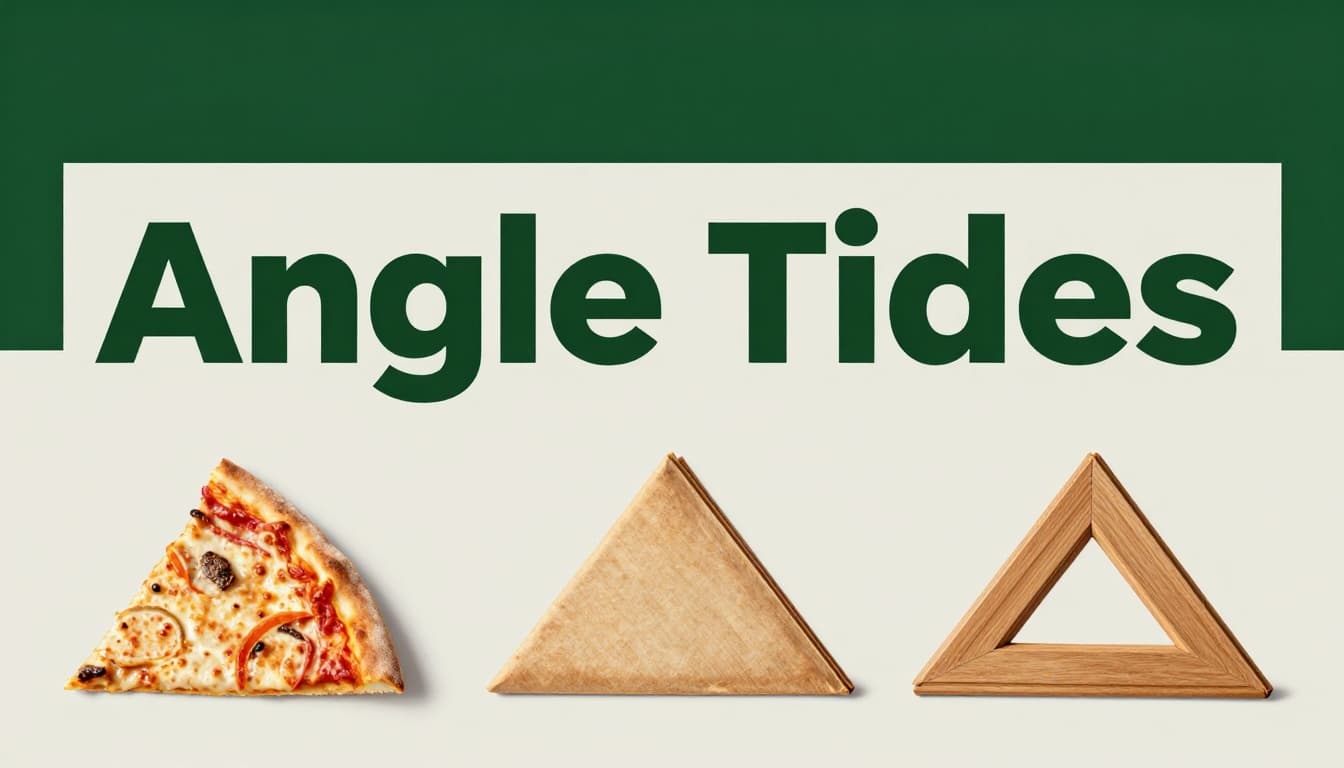
Acute angles measure less than 90 degrees. They look sharp. A pizza slice tip shows one.
Right angles hit exactly 90 degrees. Corners of books or walls form L-shapes.
Obtuse angles exceed 90 but stay under 180. An open door creates a wide one.
Straight angles reach 180 degrees. They lie flat, like a ruler edge.
Bend your arms to mimic them. Use a protractor later. In 2026, apps like GeoGebra let you drag angles on tablets. Check Math is Fun’s angle types page for visuals. Spot them in rooms now.
Triangles and Quadrilaterals: Your Go-To Polygon Starters
Polygons close with straight sides. Triangles have three. Quadrilaterals have four. They build most shapes.
Triangle Types and Why They Matter
Equilateral triangles boast three equal sides and angles. A slice from pizza center fits.
Isosceles triangles share two equal sides. House roofs often match this.
Scalene triangles differ on all sides and angles. Mountains mimic them.
Right triangles hold one right angle. Ladders against walls form them. Acute or obtuse classify the rest.
Sort cut paper ones. They matter for strength in bridges.
Quadrilaterals Unpacked: From Squares to Trapezoids
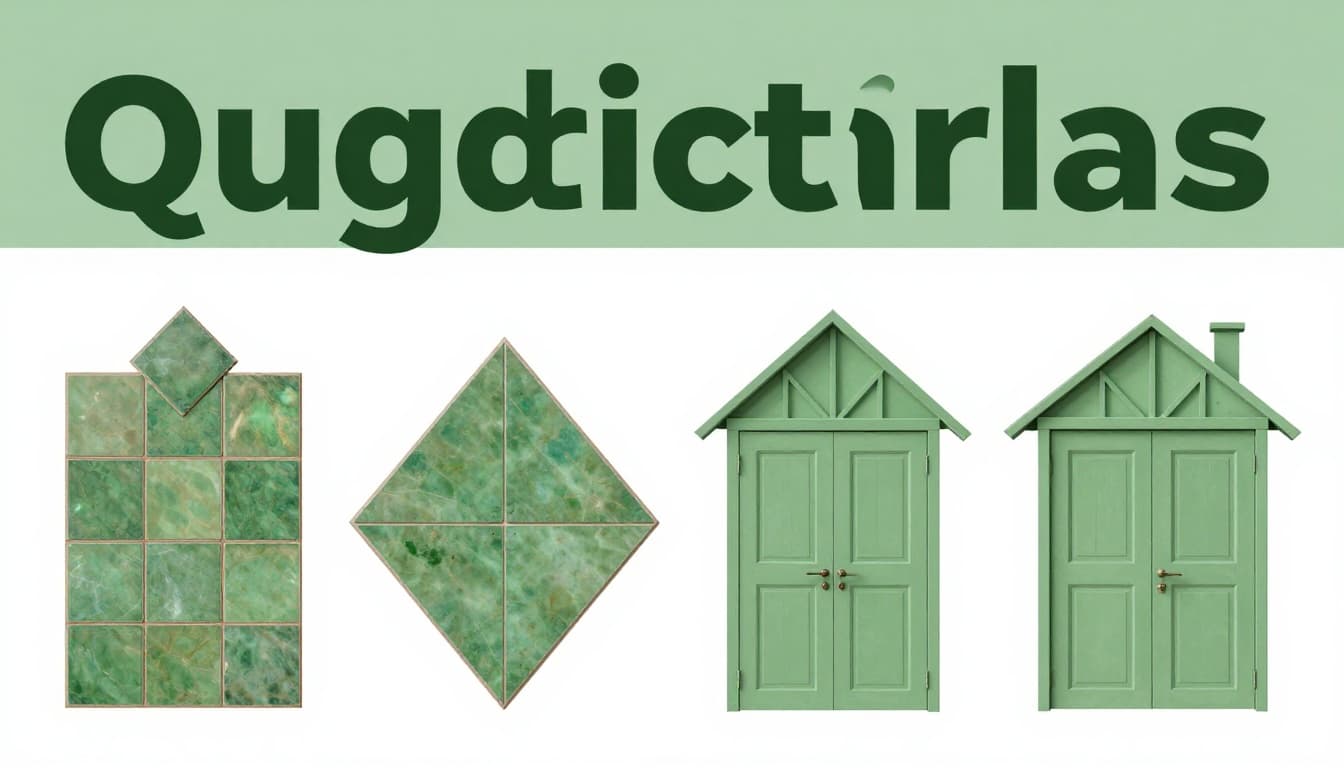
Squares offer equal sides and right angles. Floor tiles shine here.
Rectangles have opposite equal sides and right angles. Doors and books fit.
Rhombuses keep all sides equal. No right angles needed. Diamonds show them.
Parallelograms pair opposite equal sides and parallel lines. Fields from above look like this.
Trapezoids claim one pair of parallel sides. Roofs often trapezoid.
Here’s a quick comparison:
| Shape | Sides Equal? | Angles | Example |
|---|---|---|---|
| Square | All 4 | All right | Tile |
| Rectangle | Opposite 2 | All right | Door |
| Rhombus | All 4 | Not right | Diamond |
| Parallelogram | Opposite 2 | Opposite equal | Field |
| Trapezoid | None | One parallel | Roof |
Find them in your home. 2026 photo apps gamify spotting. Perimeter and area come next.
Level Up to Polygons and the Smooth Circle
Polygons grow sides. More than four makes pentagons and beyond.
Polygons: Naming and Building Straight-Sided Wonders
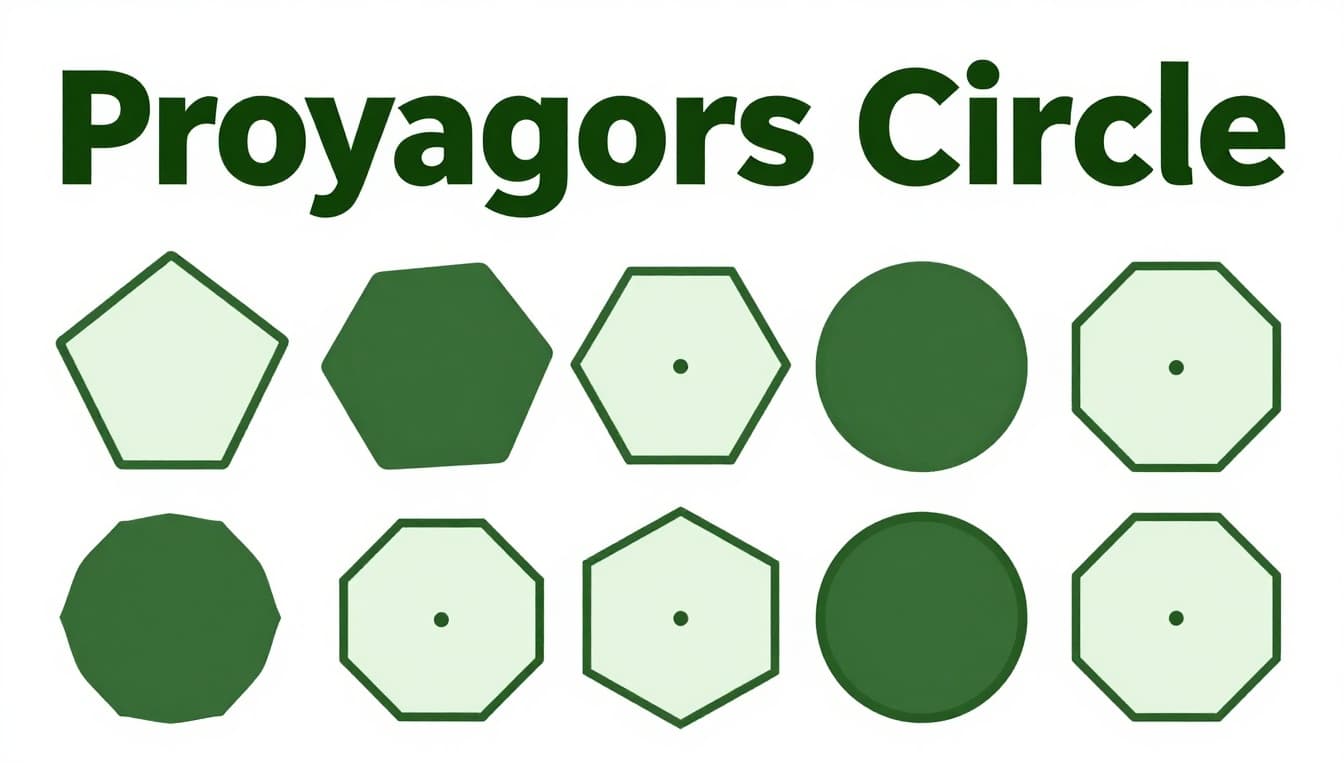
Pentagons count five sides. Houses sometimes use them.
Hexagons have six. Honeycombs pack efficiently.
Octagons hit eight. Stop signs warn drivers.
Regular polygons match sides and angles. Irregular ones vary. Build with toothpicks and marshmallows.
Circles: Curves That Keep It Simple
Circles curve smoothly. All points stay equal distance from center. That’s radius.
Diameter spans center to center, twice radius. Circumference traces the edge.
Coins roll true circles. No corners. Now measure them.
Calculate Perimeter and Area Without the Math Headache
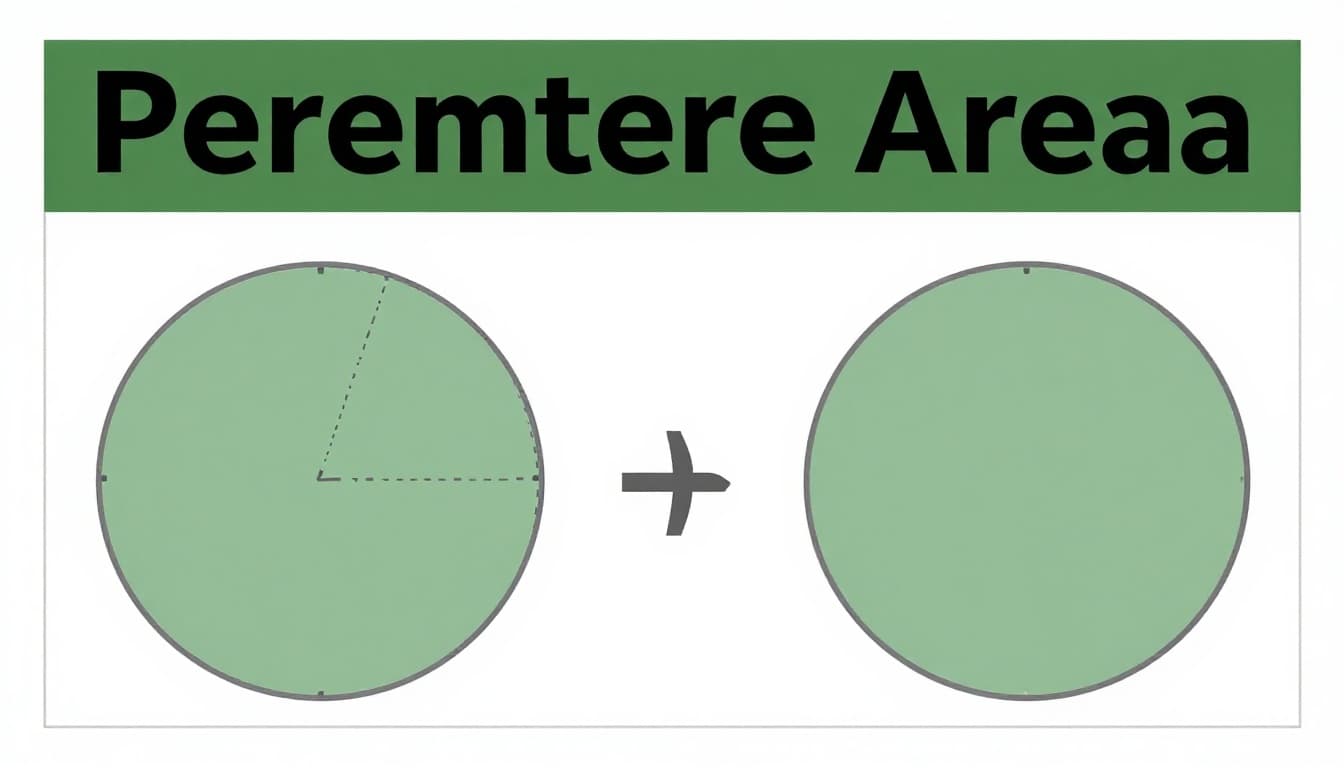
Perimeter sums outer edges. Area fills inside space.
Perimeter: Tracing the Outline of Any Shape
Add polygon sides. Triangle with 3-4-5: 12 units.
Square side 4: 16 units.
Circle: 2πr. Use π as 3.14. Radius 3 gives about 18.84.
Measure a fence. Simple addition works.
Area: Filling the Space Inside with Easy Formulas
Triangle: (1/2) base times height. 3-4-5 right triangle: 6 square units.
Square: side squared. Side 4: 16.
Rectangle: length times width.
Circle: πr². Radius 3: about 28.27.
Visualize height as straight up from base. See GeeksforGeeks area formulas for more. Apps give instant checks.
Hands-On Tips to Make Geometry Concepts Stick Forever
Cut and sort paper shapes. Match triangles in your kitchen.
Hunt room angles. Build polygons with sticks or food.
Measure rugs for area. Fence for perimeter. Garden plots practice both.
In 2026, AR apps shine. GeoGebra AR pops 3D shapes via phone camera. Prisms VR lets kids twist polygons in headsets. McGraw Hill AR animates nets and cross-sections. These boost spatial skills for design or architecture jobs.
Try a challenge: Snap home shapes. Share findings. Practice builds speed.
You’ve covered points to circles and measurements. Now geometry feels familiar, not scary.
Spot shapes on walks. Calculate a garden area today. Draw what you find. What shape surprises you most? Drop a comment below. Keep practicing.