
Imagine facing a tough choice at work. You feel stuck. Then you grab a quick Sudoku puzzle. Suddenly, patterns click. That clarity spills over to your decision. Math practice like this sharpens your logic in real ways.
Recent 2026 reports show puzzles such as Sudoku and chess boost reasoning skills. Players report better focus and planning after regular sessions. For instance, a Sudoku Guru survey found 52% of folks improved concentration. Math trains your brain to spot patterns and break down problems step by step.
You will find key exercises, smart strategies, and top resources here. These steps lead to quick wins in clearer thinking. Let’s start with the science.
The Science Behind Math and Sharper Logic
Math practice builds stronger logic because it forces your brain to connect dots. You learn to see rules in numbers and predict what comes next. This mirrors everyday choices, from budgeting money to planning a trip.
Take Sudoku. It holds options in your working memory. You build logic chains to eliminate wrongs. As a result, 48% of players in 2026 surveys switched tasks easier. Chess adds planning ahead, like counting moves in math sequences. Puzzles overall strengthen deduction from clues and induction from patterns.
Brain science backs this up. Regular practice grows neural pathways for faster thought. Studies link these games to better scores on reasoning tests. For example, number puzzles improve attention and systematic elimination.
Daily life benefits follow. You make sound decisions at work or school. Problems feel less overwhelming because you spot the core issue first. In short, math turns fuzzy thinking into sharp focus.
Besides stronger memory, you gain flexibility. Puzzles teach working backwards or testing ideas. This helps in coding or fixing real issues. Kids build number sense without heavy math. Adults sharpen skills for complex jobs.
Best Math Exercises to Train Your Logic Muscles
Certain math exercises stand out in 2026 trends. They target pattern spotting, creative twists, ahead planning, and number ties. Start simple. Build up for fun gains. Variety keeps boredom away.
Logic puzzles and Sudoku shine for patterns. Math riddles add twists. Chess plans moves like sequences. Number problems reveal relationships. Each builds logic layers without dull drills.
Pick one today. Practice builds speed over time.
Crack Sudoku Puzzles to Spot Hidden Patterns
Sudoku grids challenge you to fill numbers 1 through 9. Each row, column, and 3×3 box holds one of each. You deduce from givens.
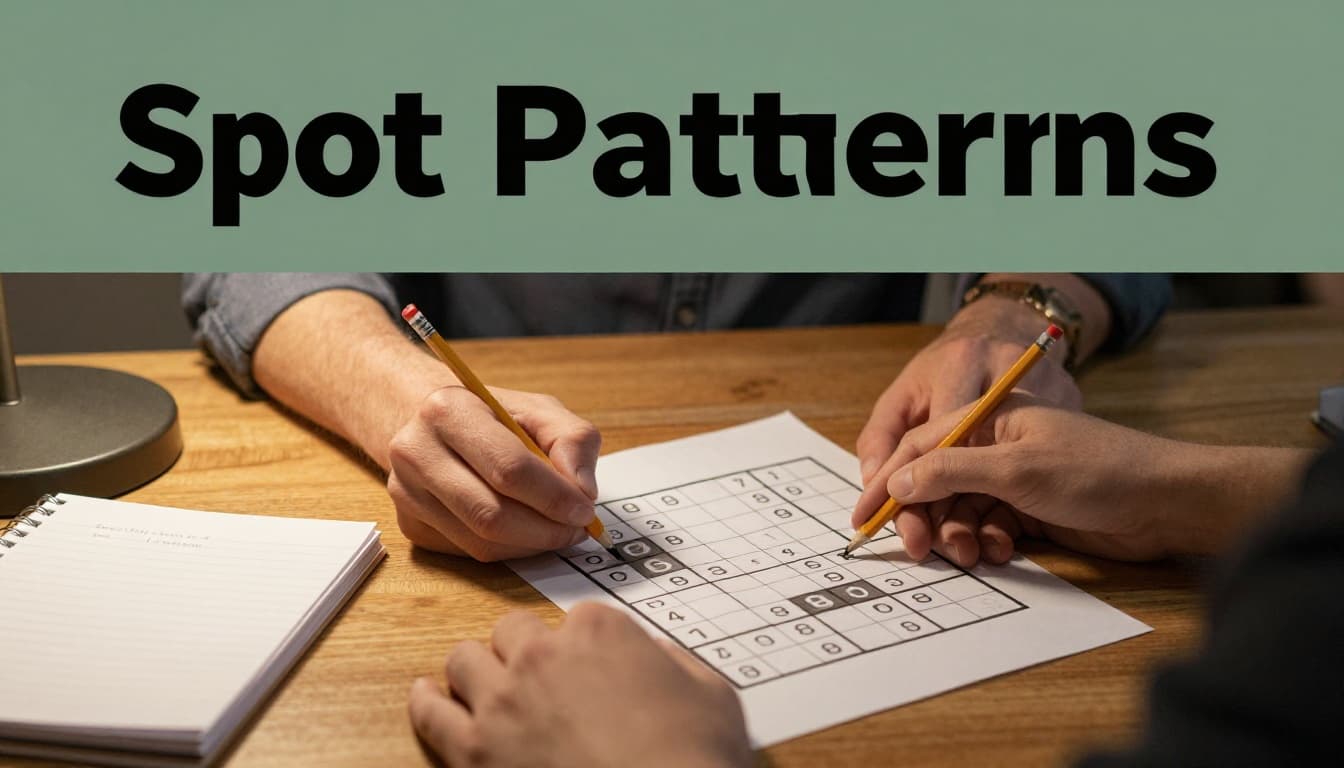
Start with easy 9×9 grids. Scan rows for singles. Note possibles in empty cells. Eliminate step by step. This trains deduction and patience.
It boosts logic by chaining reasons. One fact rules out options elsewhere. Apps make it simple. Try top free Sudoku sites for 2026 with daily challenges. Beginners gain confidence fast.
Solve Riddles That Twist Your Math Brain
Math riddles bend numbers in fun ways. They push flexible thought beyond basics.

Example: “I add five to nine and get two. Why?” Answer: Noon plus five hours hits 2 p.m. Another: “What has keys but no locks?” Piano, with number ties.
These spark “aha” moments. You rethink assumptions. Visit sites with challenging math riddles for more. Share solves in communities. Logic grows with each twist.
Play Chess for Long-Term Strategy Wins
Chess demands ahead thinking. Each move weighs risks like math branches.

Plan three steps out. Count attacks on pieces. Link to patterns, like pawn chains. Free platforms offer puzzles. Check Chess.com for online play. Starter drill: Solve daily tactics tying to numbers.
Strategy transfers to life. You foresee outcomes better.
Hunt Number Patterns Like a Detective
Spot sequences to predict next terms. Example: 2, 4, 8, 16. Each doubles. Next is 32.

Look for adds, multiples, or squares. Test rules on later terms. This hones prediction.
Real gains show in data trends or budgets. Practice sharpens your detective eye.
Smart Ways to Practice Math for Maximum Logic Gains
Habits matter more than talent. Break problems small. Practice steady. Track wins. Mix levels for growth.
Experts stress consistency over long bursts. Journal notes what clicks. This turns practice into gains.
Start today with one tip.
Slice Tough Problems into Bite-Sized Pieces
Big issues scare most folks. Chop them up instead.
Take a word problem on trains passing. List knowns: speeds, distance. Sketch a timeline. Solve each part.
Analyze one clue at a time. Rebuild the answer. Confidence builds because you control steps. Next time, tough feels tame.
Build a Routine That Sticks Without Burning Out
Short sessions work best. Aim for 15 to 30 minutes, four or five days a week.

Use app reminders from 2026 trends like Cuemath or SplashLearn. Track streaks. Rest days prevent fatigue. Steady play wires your brain for logic.
Top Resources and Books to Fuel Your Practice
Books add stories to puzzles. Martin Gardner packs tricks in My Best Mathematical and Logic Puzzles. Raymond Smullyan weaves logic tales. Ian Stewart shares curiosities in Professor Stewart’s Cabinet.
Apps lead 2026 play. Sudoku.coach offers variants ad-free. Chess apps like those in best chess reviews track progress.
Free sites abound. Join Reddit for Sudoku tips. Communities share riddles. Enter online contests. Pick one resource now. Your logic awaits.
Math practice turns logic into a superpower. Exercises like Sudoku and chess, plus smart habits and resources, deliver real wins.
Commit to one puzzle today. Stick for a month. Expect clearer thoughts in weeks.
What is your first win? Comment below or share this post. Start now.