
Picture this. You stare at a math word problem packed with words and numbers. Your mind goes blank. You feel stuck before you even start.
Many students face this. The extra details confuse them. They miss what’s important. But spotting key information changes everything. It cuts confusion. You save time on tests. Plus, it builds real confidence in math.
This guide shows you how. You’ll learn simple steps to read smart. You’ll spot clue words that guide operations. You’ll see examples and dodge common traps. Recent studies back it up. Students using these strategies solve problems right 29% more often. By the end, you’ll tackle word problems like a pro.
Follow These Simple Steps to Pick Out the Essentials
Start with a plan. Experts agree. A clear process works every time. It turns chaos into order. Follow these steps on every problem.
First, read the whole story. Then read it again. Finally, focus on the question. This builds a strong base.
Next, grab a highlighter. Mark numbers and facts. Ignore the fluff. Rewrite the question your way. Draw a quick sketch. Now you see the path clear.
Practice this routine. It fits any grade. You will notice results fast.

Read It Multiple Times to Get the Full Picture
Don’t rush. Read once for the story. What happens? Who is involved?
Read a second time. Circle what you know. Like numbers or amounts.
On the third read, underline the question. What must you find? This stops you from missing the point. Many skip this. They guess wrong.
For example, a problem might say Sam has apples. His friend gives more. How many total? First read grabs the plot. Second spots “apples” and numbers. Third nails “total.”
Highlight Key Facts and Ditch the Distractions
Pick your tools. Use a pen or highlighter.
Underline all numbers and units. Like 5 apples or 2 baskets.
Circle unknowns. What is x?
Cross out extras. Names or colors often don’t matter.
Facts stay: quantities, relationships. Ditch the rest. Your page cleans up fast.
Check Maneuvering the Middle’s problem-solving strategies for more on cutting extras.
Rewrite and Visualize for Crystal Clarity
Put the question in your words. “How many apples total?” becomes “Sam’s apples now?”
Make a table. One column for knowns. Another for what to find.
| Knowns | Unknown |
|---|---|
| 5 apples | Total |
| +3 more | ? |
Draw bars or pictures. Groups show multiplication easy.
These tools connect ideas. Your brain frees up for math.
Use Clue Words as Hints, But Check the Story First
Clue words point to operations. Total means add. But stories trick you. Always check context first.
For instance, “left” might mean subtract. Or it could mean add leftovers. Read the full setup.
Build pattern skills. This helps in shopping or trips too.
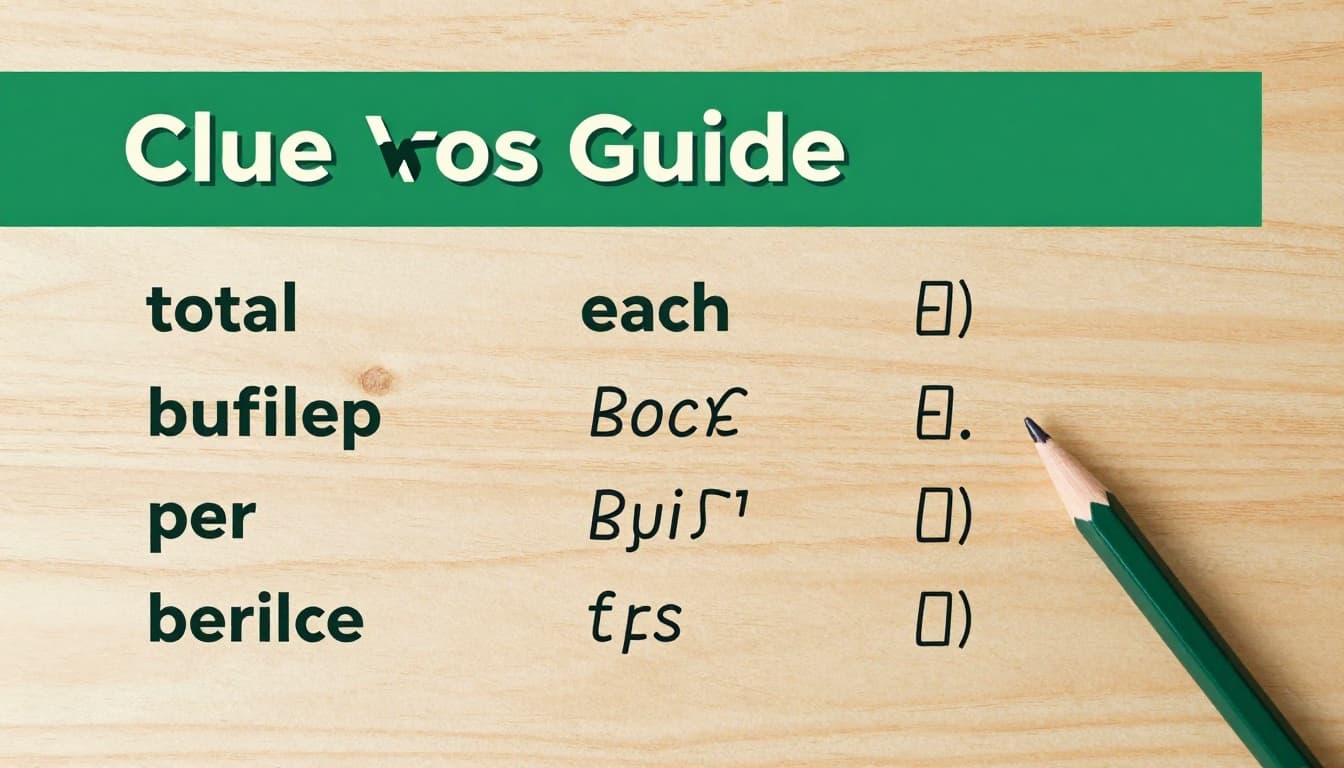
Here’s a quick guide:
| Operation | Clue Words | Example |
|---|---|---|
| Addition | total, altogether | Combined scores total 20 |
| Subtraction | difference, fewer | 10 fewer than before |
| Multiplication | each, per | $5 each for 3 tickets |
| Division | share, per person | Split 12 cookies evenly |
See the full language of mathematics for more clues.
Addition Clues Like ‘Total’ and ‘Altogether’
Look for “total” or “combined.” Sam picks 4 apples. Mom adds 6. Total apples?
Add them: 4 + 6 = 10. Simple.
“Altogether” works same. Two groups join.
Subtraction Hints Such as ‘Difference’ or ‘Fewer’
“Difference” flags subtract. How much taller? 12 feet minus 8 feet.
“Fewer” or “left” often too. 10 cookies. Eat 3. 7 left.
But verify. Context rules.
Multiply and Divide Signals: ‘Each’ and ‘Per’
“Each” screams multiply. 3 shirts at $20 each. 3 x 20 = 60.
“Per” or “share” means divide. 20 cookies for 4 kids. 5 per kid.
Real Examples and Pitfalls to Practice and Avoid
Test the steps now. Start easy. Build to tricky.
Fix mistakes early. Most students fall in same traps.
Practice daily with real stories. Like grocery lists.
Try This Easy Shopping Problem
Emma buys 3 shirts. Each costs $20. What’s the total?
Read three times. Underline 3, $20, total.
Draw three groups of 20. Or bars: ||| x 20.
Multiply: 3 x 20 = 60. Done.
Crack the Sneaky ‘Left on the Table’ Riddle
Bill puts $9 on table. Sue adds $6. How much left?
Clue “left” tempts subtract. Wrong.
Story says added. Total left: 9 + 6 = 15.
Check context. Clues mislead without it.
Top Mistakes That Fool Most Students
Rushing skips re-reads. Fix: Slow down always.
Highlight everything. Pick only numbers, question.
Blind keyword trust. Like “more” always add? No.
No drawings clutter brain. Sketch every time.
Forget the goal. Ask “what to find?” first.
See why students struggle at Differentiated Teaching.
Bonus Tips for Teachers, Parents, and Extra Practice
Model it aloud. Read slow. Say what you highlight.
Start with no numbers. Build stories first.
Give drawing tools. Blocks or paper work great.
Teach problem types. Like total or compare. Skip just keywords.
Group kids. They talk it out.
Check answers make sense. Does 60 shirts fit?
Daily practice. Use multiple choice. Explain why.
You hold the tools now. Read smart, use clues wisely, practice examples, dodge traps.
Grab one problem today. Apply the steps. Watch confusion fade.
Anyone masters this with time. It pays off in budgets or trips too.
Share your story below. Did it click? Subscribe for more math wins.