
Picture this: you plan a backyard fence, but mismeasure the perimeter. You buy too much wood and waste cash. Or you paint a room with wrong area math. Paint runs short mid-job. These slip-ups happen often.
Perimeter means the total distance around a shape’s edge. Area covers the space inside it. You need both for home fixes, gardens, or school math. They save time and money every day.
This guide walks you through steps for rectangles, squares, triangles, circles, trapezoids, and irregular shapes. You’ll see easy formulas, real examples with numbers, and tips at an 8th-grade level. Ready to measure like a pro?
Master Rectangles and Squares with These Foolproof Steps
Start with rectangles and squares. They show up everywhere, like rooms or floor tiles. Draw the shape first. Label all sides clearly.
Rectangles have two pairs of equal sides. Call the long one length (L). Call the short one width (W). Perimeter (P) equals 2 times (L + W). Area (A) equals L times W.
Take a rectangle 8 inches long and 5 inches wide. Add 8 + 5 = 13. Multiply by 2. So P = 26 inches. For area, 8 x 5 = 40 square inches.
Squares count as special rectangles. All sides match. Measure one side (S). Then P = 4 x S. A = S x S.
A 6-meter square gives P = 24 meters. Area hits 36 square meters.
Use graph paper to count units. It keeps things accurate. Double-check addition before you multiply.
Here’s a quick reference table:
| Shape | Perimeter Formula | Area Formula |
|---|---|---|
| Rectangle | 2(L + W) | L x W |
| Square | 4S | S² |
For more formulas across shapes, check this complete area formulas cheat sheet.
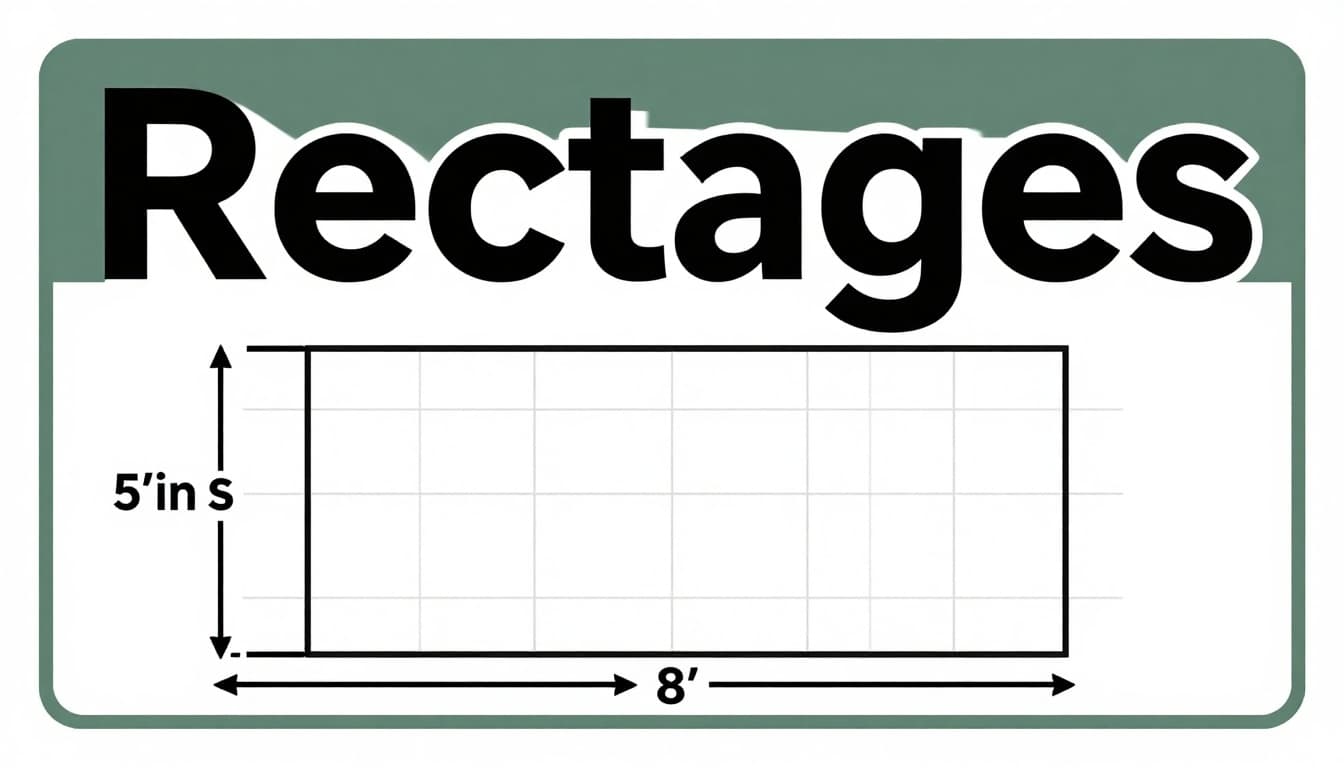
Step-by-Step Rectangle Breakdown
- Measure the longest side as length. Find the shorter side as width.
- Add length plus width. Multiply that sum by 2 for perimeter.
- Multiply length times width for area.
Use a book on your desk. Say it’s 8 inches by 5 inches. Perimeter = 26 inches. Area = 40 square inches. Units matter. Perimeter stays in inches. Area uses square inches.
Practice on your phone screen next. Watch those units.
Squares: The Easiest Shape to Calculate
All sides equal. Measure one side only.
- Pick any side. Measure its length as S.
- Perimeter = S times 4.
- Area = S times S.
A picture frame with 6-inch sides works. P = 24 inches. A = 36 square inches. Squares pack the most area for a set perimeter among rectangles. Try your desk drawer.
Conquer Triangles and Trapezoids by Finding the Height
Height drops straight down from the top to the base. It must stay perpendicular. This key step unlocks both shapes.
Triangles need three sides for perimeter. Add them up. Area = 0.5 times base times height.
Base 10 cm. Height 12 cm. Other sides 13 cm each. P = 10 + 13 + 13 = 36 cm. A = 0.5 x 10 x 12 = 60 square cm.
Trapezoids have one pair of parallel sides, the bases. Add all four sides for P. Area = 0.5 times (base1 + base2) times height.
Bases 5 m and 10 m. Legs 4 m each. Height 3 m. P = 5 + 10 + 4 + 4 = 23 m. A = 0.5 x (5 + 10) x 3 = 22.5 square m.
Draw a perpendicular line for height. Measure it right.
| Shape | Perimeter Formula | Area Formula |
|---|---|---|
| Triangle | Side1 + Side2 + Side3 | 0.5 x base x height |
| Trapezoid | Base1 + Base2 + Leg1 + Leg2 | 0.5 x (base1 + base2) x height |
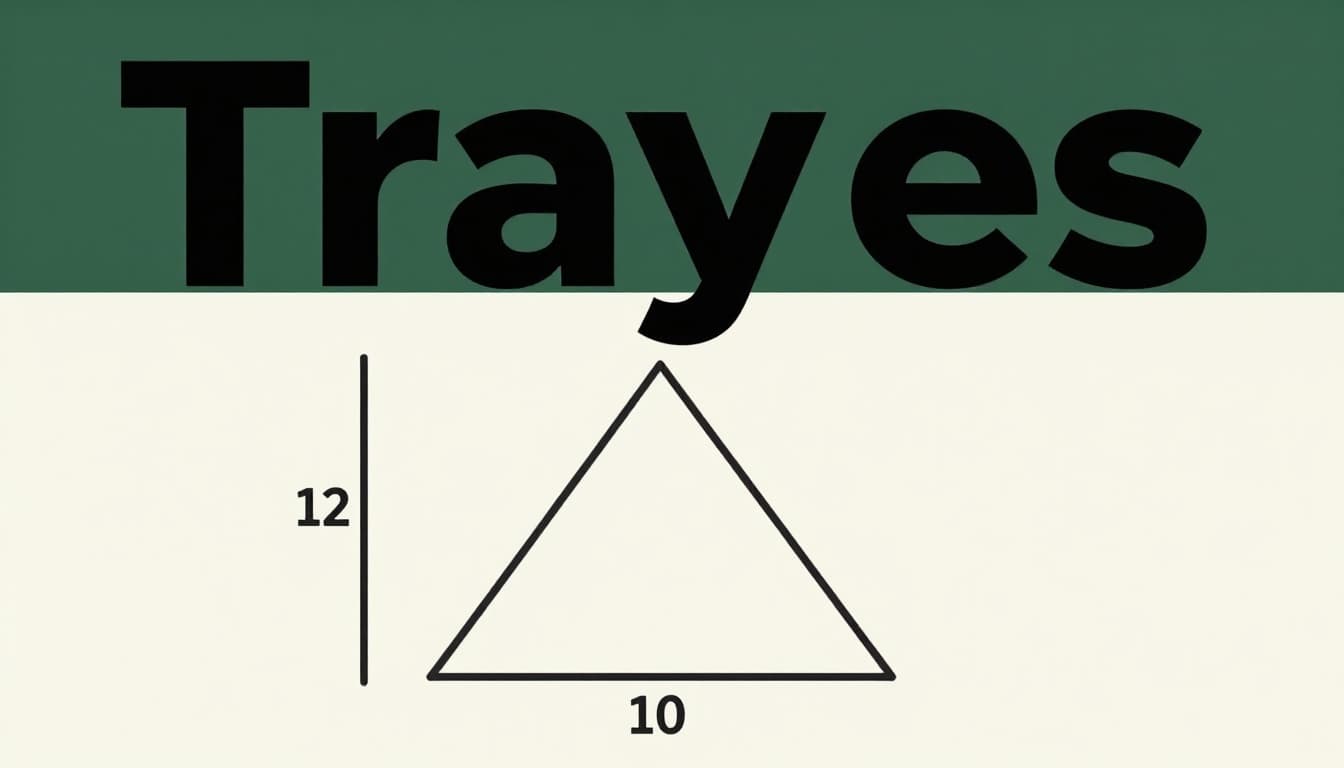
Triangles: Add Sides and Halve Base Times Height
- Measure all three sides. Sum them for perimeter.
- Pick a base. Drop a perpendicular height to it.
- Area = 0.5 x base x height.
Base 10 cm, height 12 cm. A = 60 square cm. Height stays straight down, not along a slant side. Grab a pizza slice to practice.
Trapezoids: Average the Bases First
- Spot the parallel bases. Measure legs. Sum all for perimeter.
- Measure height between bases.
- Area = 0.5 x (base1 + base2) x height.
Think truncated triangle. Great for table tops or roofs.
Handle Circles with Pi and Radius Magic
Circles use circumference for perimeter. Find radius from center to edge. Or diameter across the middle.
C = 2 x π x radius. Or C = π x diameter. A = π x radius squared. Use π as 3.14.
Radius 4 inches. Diameter 8 inches. C ≈ 2 x 3.14 x 4 = 25.1 inches. A ≈ 3.14 x 16 = 50.3 square inches.
- Measure radius or diameter.
- Plug into formulas.
Wrap string around a plate to check. Relate to wheels or pizzas.
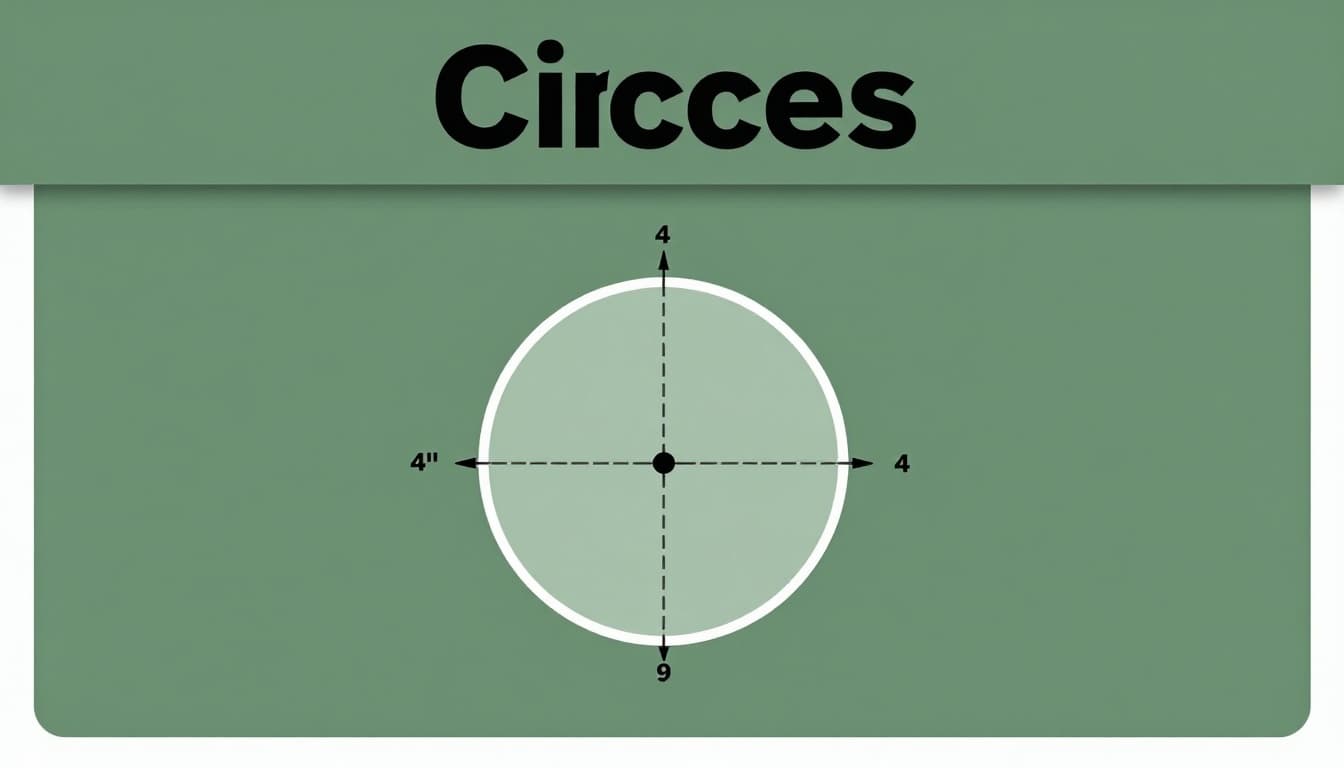
Break Down Irregular Shapes into Familiar Pieces
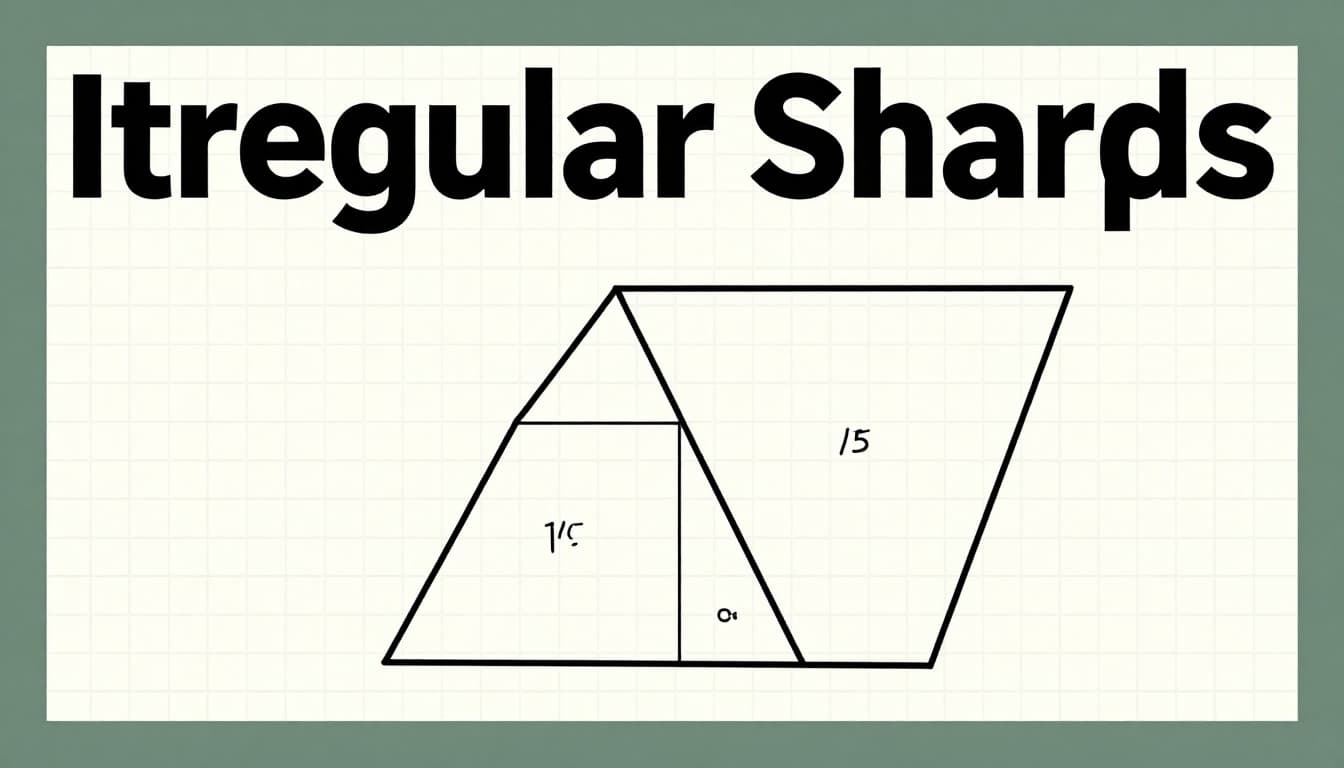
No one formula fits odd shapes. Split them into rectangles or triangles. Trace outer edges for perimeter. Add areas of parts.
L-shape: one 10×5 rectangle plus 5×3 rectangle. Areas: 50 + 15 = 65 square m. Perimeter traces the outline.
- Sketch the shape. Split into known parts.
- Calculate each perimeter and area.
- Sum areas. Add outer perimeters only. Subtract overlaps if needed.
Count grid squares on paper as backup. Works for yards or rooms.
Dodge These Sneaky Mistakes and Verify Your Math
Forget units often. Perimeter uses feet. Area needs square feet.
Triangle height slants wrong sometimes. Drop it perpendicular.
Circles mix radius and diameter. Double the radius for diameter.
Trapezoids swap bases. Pick parallels right.
Irregular shapes double-count overlaps. Subtract them.
Perimeter always beats the longest side. Check that. Same area fits different perimeters, like skinny versus square rectangles. Use graph paper. Calc by hand before apps.
Apply Area and Perimeter to Real-Life Wins Like Fencing or Flooring
Put skills to work. Classroom carpet: 10×8 m rectangle. P = 36 m for border paint. A = 80 square m.
Garden fence circle, radius 3 m. C ≈ 18.8 m.
Roof trapezoid needs shingles by area. Patio tiles fit irregular yards.
| Project | Shape | Example Use |
|---|---|---|
| Carpet | Rectangle | 10×8 m = 80 sq m flooring |
| Fence | Circle | r=3 m ≈18.8 m material |
| Roof | Trapezoid | Shingles by average bases |
| Patio | Irregular | Split for tiles |
Measure twice. Sketch first. Try a perimeter fencing calculator for backyard plans. Or use Omni Calculator’s tool from recent updates.
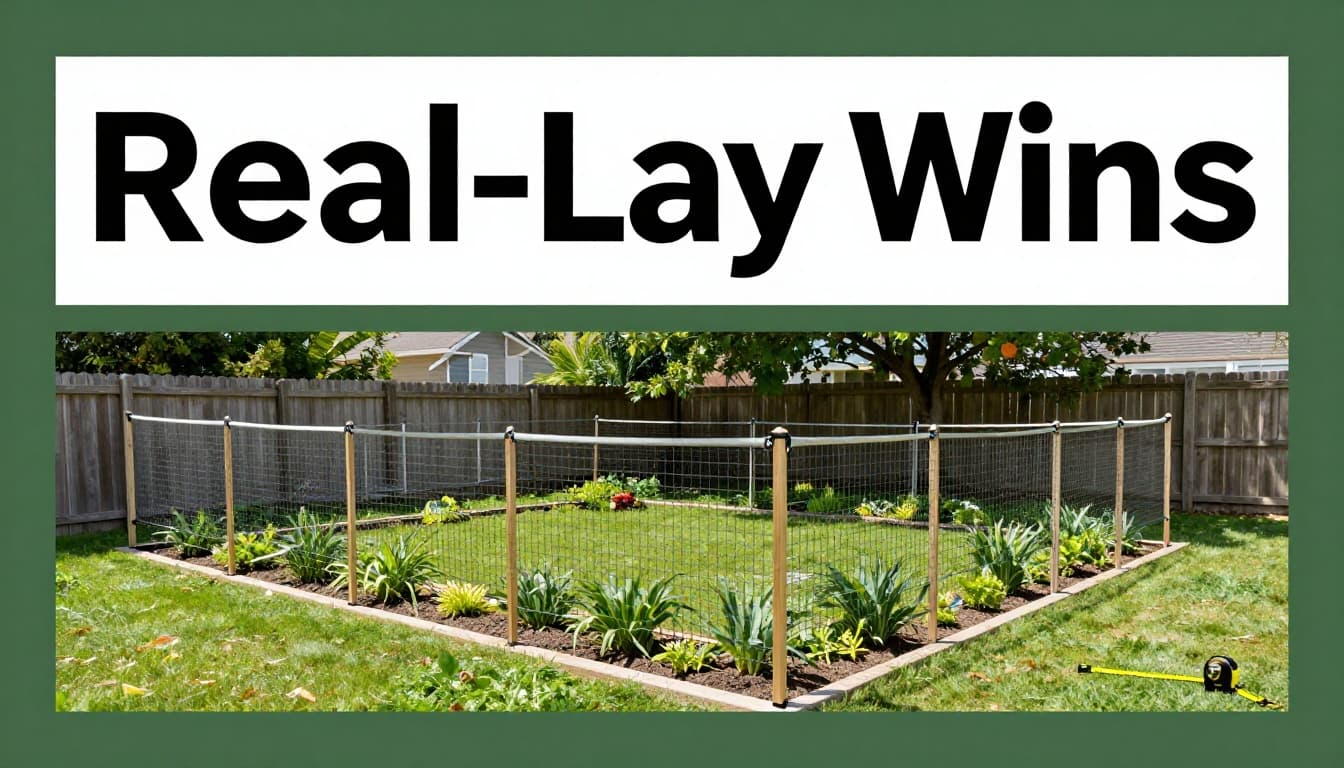
You now handle area and perimeter for any shape. Dodge pitfalls. Apply to projects. Save money and impress friends.
Grab a shape at home, like your bed. Calculate now. Share results in comments. Print a cheat sheet or try GeoGebra app. You’re a measurement master!